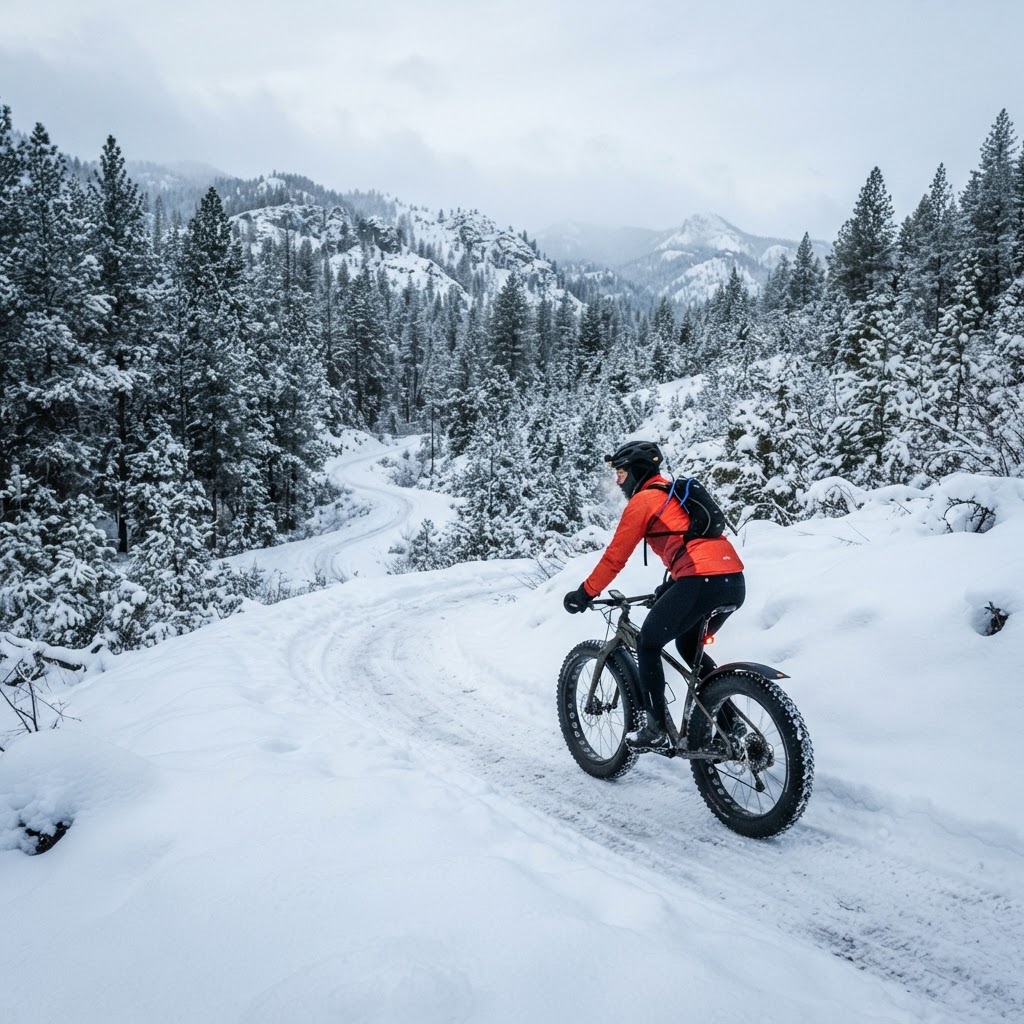
Winter in Spokane means short days, cold temperatures, and often snow — but it doesn't mean you have to stop riding. With the right gear, smart route choices, and a bit of determination, winter cycling can be rewarding, beautiful, and keep you fit for spring. Here's a guide to winter cycling in Spokane — how to stay safe, warm, and motivated when the temperature drops.
Spokane Winter Riding Realities
Spokane winters (December-February) bring average highs in the mid-30s and regular snowfall. Days are short — sunset can be before 4pm in December. The good news: Spokane gets plenty of sunny winter days, and the dry cold is more rideable than coastal damp cold. Snow comes and goes, with periods of clear, cold, rideable weather between storms. The Centennial Trail and paved routes are often cleared quickly after snow.
What to Ride in Winter
In winter, surface matters. The Centennial Trail is usually cleared of snow and offers safe winter riding. Paved roads and bike lanes are rideable when clear of ice. Gravel roads can be rideable when frozen solid but treacherous when icy. Mountain bike singletrack is generally not rideable in winter — snow and ice make it dangerous and damaging to the trails. Focus on paved and gravel routes until spring.
Dressing for Cold Riding
The key to winter cycling is layers. Start with a moisture-wicking base layer, add an insulating mid-layer (fleece or wool), and top with a wind- and water-resistant shell. For your legs, thermal tights or bibs with a wind-blocking front. Keep extremities warm: good gloves (or lobster claws for extreme cold), wool socks, shoe covers, and a warm cap under your helmet. A balaclava or neck gaiter protects your face. Avoid cotton — it stays wet and cold.
Lighting and Visibility
Short days mean you'll likely ride in the dark. A powerful front light (500+ lumens) and a bright rear light are essential for seeing and being seen. Add reflective elements to your clothing and bike. Assume drivers can't see you, especially in winter conditions when visibility is reduced. Daytime running lights also help in low-light winter conditions.
Safety on Ice and Snow
Ice is the biggest winter cycling danger. Watch for black ice, especially on bridges, shaded sections, and early mornings. Reduce tire pressure for better grip, and consider studded tires if you ride regularly in icy conditions. Brake gently and earlier than normal. Avoid sudden turns. When in doubt, walk a section rather than risk a fall. If roads are snowy, a mountain bike with wide tires handles better than a road bike.
Staying Motivated
Winter motivation is hard. Set goals — a spring event to train for, a weekly mileage target, or a spring trip to ride somewhere new. Ride with friends or a group — accountability helps. Invest in an indoor trainer for the worst days. And remember: every winter ride makes spring riding feel that much better. The riders who keep pedaling through winter are the ones who fly in spring.
Winter cycling isn't for everyone, and that's okay. But if you're willing to embrace the cold, Spokane's winter riding can be beautiful, rewarding, and a secret weapon for your spring fitness.
Comments (0)
Log in to join the discussion
No comments yet. Be the first to share your thoughts!