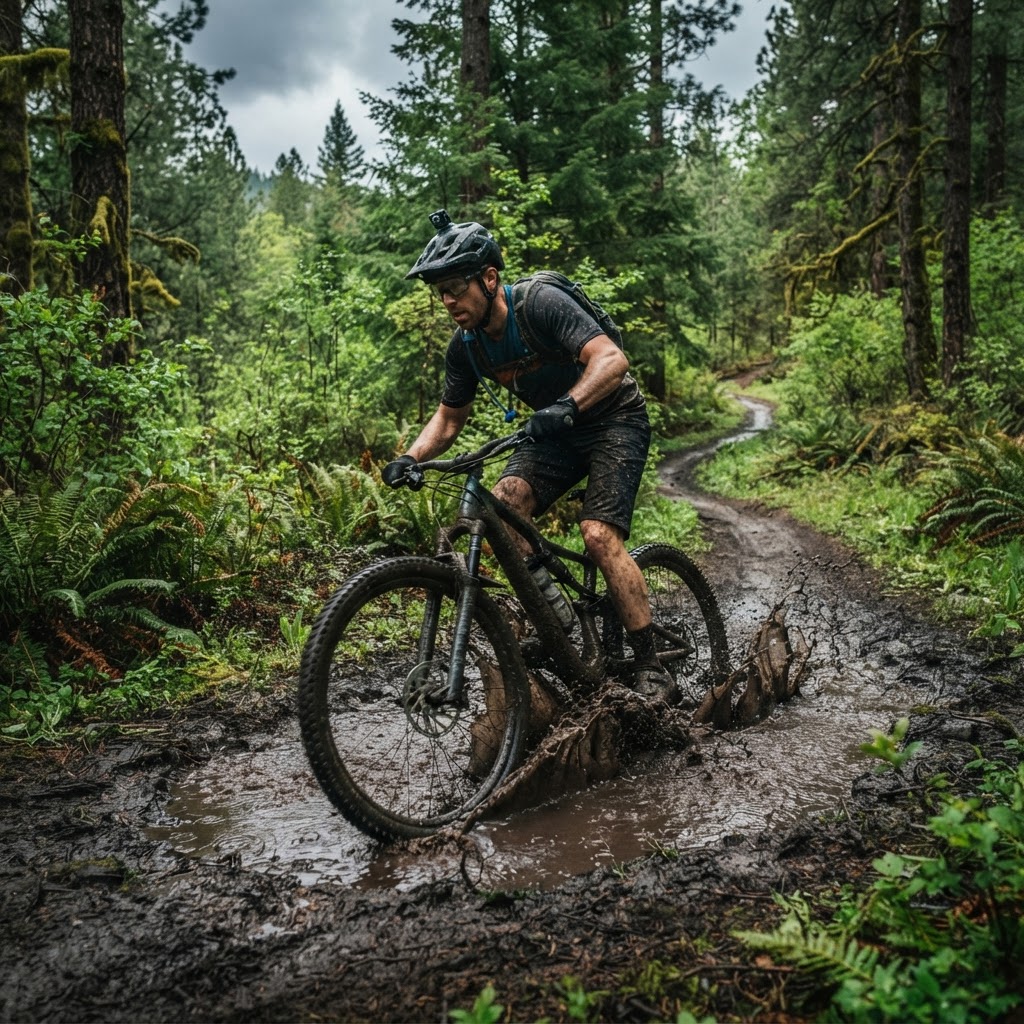
Spring in Spokane is a mixed blessing for mountain bikers. The days get longer, the trails start calling, but mud season is real — and riding wet trails damages them. Knowing when and where to ride in spring is the difference between a great season of trails and a season of rutted, damaged singletrack. Here's a local's guide to navigating Spokane's spring mud season.
Why Mud Season Matters
When you ride a muddy trail, your tires create ruts. Those ruts harden when the trail dries, creating permanent damage that lasts all season and makes the trail harder to ride. Trail volunteers spend countless hours repairing mud-season damage, and some trails have to be closed to recover. The rule is simple: if your tires are leaving ruts or the trail is squishy under your wheels, it's too wet to ride.
Which Trails Dry First
Not all Spokane trails are equal when it comes to drying. Beacon Hill's fast-draining soil means trails are often rideable within 24 hours of rain — it's the most reliable spring option. The Centennial Trail is paved and rideable in any conditions. Saltese Uplands, with its open grassland and gravel surface, dries quickly too. On the other hand, forested trails at Dishman Hills and Mount Spokane hold moisture longer and may need 2-3 dry days after rain.
Checking Conditions Before You Go
Before heading out, check trail condition reports. The Evergreen Mountain Bike Alliance Spokane Chapter posts trail status updates, and our trail conditions page has user-reported conditions. When in doubt, wait a day — it's better than damaging the trails. If you arrive at a trailhead and it's clearly wet, turn around and choose a different option.
Spring Riding Alternatives
When the forest trails are too wet, Spokane has plenty of rideable alternatives. The Centennial Trail offers 37 miles of paved riding in any weather. Gravel roads around the Palouse and the foothills of Mount Spokane dry faster than singletrack and offer great spring adventure riding. Road riding on Spokane's scenic routes is always an option when trails are wet.
Be a Trail Steward
Respecting mud season is trail stewardship. By choosing not to ride wet trails, you're protecting the resource for everyone. Consider volunteering with Evergreen MTB Alliance for spring trail maintenance — it's a great way to give back and learn about trail building. And when you do ride, report conditions so other riders know what to expect.
Spring will come, the trails will dry, and when they do, you'll be ready. Patience now means better trails all summer.
Comments (0)
Log in to join the discussion
No comments yet. Be the first to share your thoughts!